
This post may contain affiliate links. If you click and make a purchase, I may earn a small commission at no extra cost to you.
“Red 40, Who?” — A Mom’s Guide to Kicking Food Dyes Out of Your Kitchen (Without Losing Your Sanity)
Let’s face it: our kitchens have become crime scenes. No, not the kind where someone forgot the chicken in the oven (though… been there). I’m talking about those sneaky little food dyes—Red 40, Yellow 5, Blue 1—that somehow ended up in everything from cereal to ketchup. Ketchup, people. WHY ketchup?
If you’ve ever flipped over a snack package only to be hit with a rainbow of artificial colors and felt that “mom guilt/mom rage” creeping in, take a breath. This post isn’t here to judge. It’s here to help you declutter your pantry of the neon nonsense—and do it with confidence (and probably a coffee).

1. What Are Food Dyes, and Why Are They in EVERYTHING?
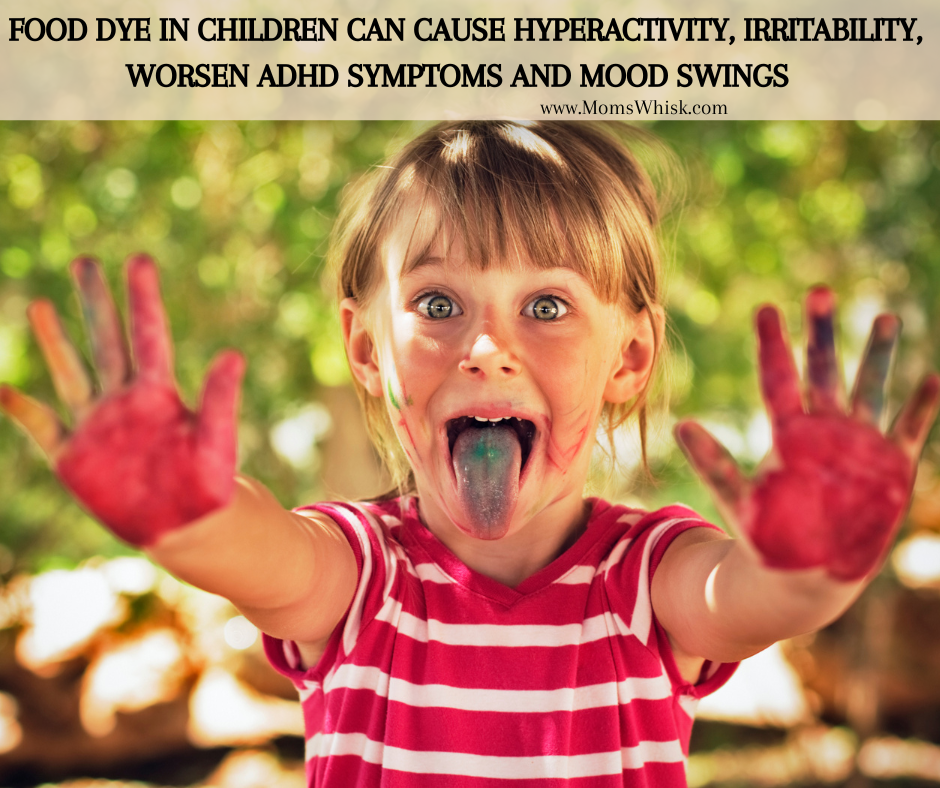
Ah, food dyes—the tiny drops of rainbow chaos that make everything from yogurt tubes to birthday cakes look like an art project. If you’ve ever wondered why your toddler’s tongue looks like it moonlighted as a Smurf, welcome to the dangerous technicolor world of artificial food coloring.
So, what exactly are these things?
In short, food dyes are synthetic colors (artificial colorants produced through chemical synthesis, often derived from petroleum or coal tar) made in labs. Yes, petroleum. As in, the same stuff that helps power your car. Alarming, right?
They’re used to make food look prettier, more fun, and, let’s call it what it is, to target our kids, because nothing screams “eat me” to a child like a bright blue yogurt or neon red cereal. Manufacturers love them because they’re cheap, eye-catching and a beige fruit snack just doesn’t sell the same way.
But why are they a problem?
While the FDA still allows many of these dyes in the U.S., studies (and a long list of concerned parents) have raised concerns about their links to behavioral issues in children, especially hyperactivity and attention problems. Some kids seem extra sensitive, turning into mini whirlwind gremlins after a hit of Red 40. Others may experience rashes, mood swings, or the dreaded sugar-fueled tantrum spiral. Not to mention the long-term suspected effects such as cancer, digestive issues, cardiovascular risks and poor liver and kidney function.
So if your kiddo becomes a tiny WWE wrestler every time they eat “rainbow blast” cereal, it might not just be the sugar—it could be the dye.
2. Red Flags: Where Food Dyes Are Hiding
They’re everywhere, and half the time, you don’t even know they’re there until your kid is spinning in circles and acting out.
Let’s play a quick game of Spot the Dye. Here’s where those sneaky little color bombs love to hang out:
🚨 The Usual Suspects:
-
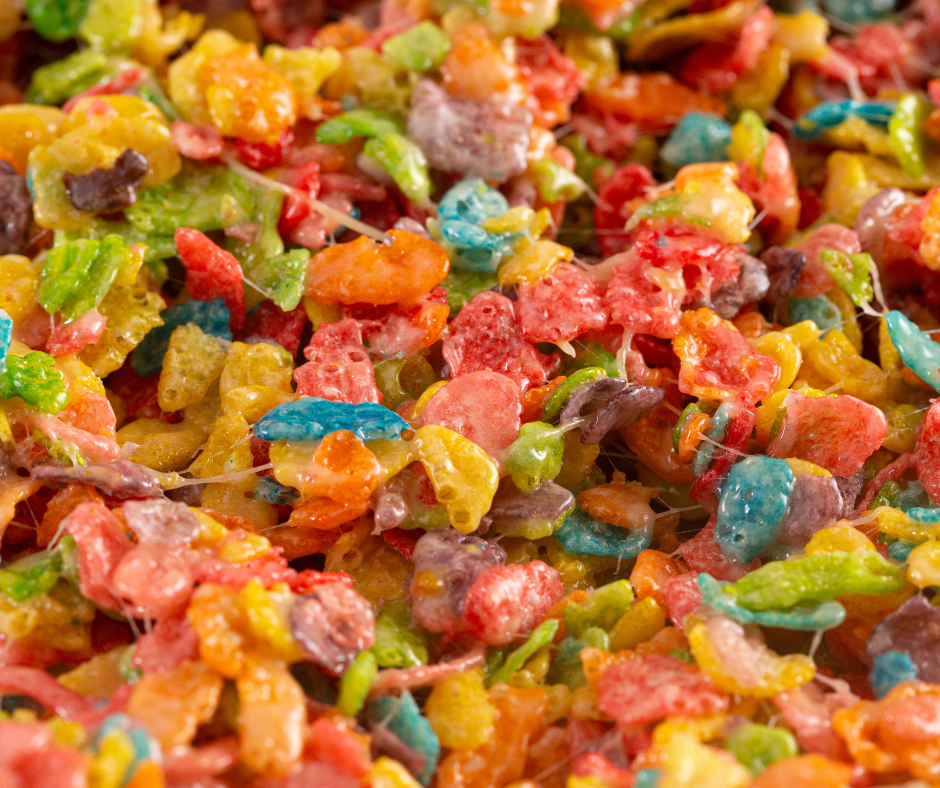
Cereals – Especially the ones with cartoon animals on the box. If it turns the milk pink, that’s your clue.
-
Fruit snacks – Spoiler: there’s more fruit in a scented marker.
-
Juice pouches – “Tropical rainbow punch” = sugar water with a side of Red 40.
-
Frosting & sprinkles – AKA the sugar glitter of chaos.
-
Candy, gum, and gummies – Obvious, but still worth repeating. Some even double-dip in color.
-
Flavored yogurts & puddings – Especially the ones that come in squeeze tubes.
-
Sports drinks – You know, for all those 5-year-olds who just finished a triathlon. (Also, if you’re looking for natural ways to hydrate, check out my Homemade Electrolyte Drinks for recipes you can make at home)
-
Ice pops and slushies – Basically, dye on a stick or in a cup.
👀 Sneaky Hideouts:
-
Pickles – Some brands use yellow dye to make them look “greener.”
-
Salad dressings – Especially French or Thousand Island. Spoiler alert: orange isn’t a natural dressing color.
-
“Natural” flavored chips or crackers – Some still sneak in dyes to make them look cheesier.
-
Maraschino cherries – As red as Santa’s suit, thanks to—you guessed it—Red 40.
The key is checking labels. If you see Red 40, Yellow 5, Blue 1, or anything with a number and a color, you’re probably looking at a dye-laden snack.
Don’t feel bad if your pantry suddenly looks like a crime scene. This isn’t about panic—it’s about awareness. And hey, you’ve already made it past Section 2. That’s progress, mama.
3. The Purge: How to Kick Food Dyes Out of Your Kitchen
Okay, deep breath. This isn’t a full-on pantry exorcism. You don’t need to burn everything in sight like you’re starring in a crunchy mom version of The Purge. The goal here is simple: start swapping out the stuff with glow-in-the-dark colors for better, dye-free options.
Here’s your no-stress, no-judgment guide to dye detoxing:
🛒 1. Start with Simple Swaps
You don’t need to go full organic goddess overnight. Just trade a few things at a time. If you try to do it all at once, you will likely get overwhelmed and give up. Your family deserves better than that.
-
Instead of: Colorful sugary cereal
Try: Cereals sweetened with fruit juice or honey (look for ones with short ingredient lists you can pronounce: Cascadian Farms, Magic Spoon and Lovebird are just a few to get you started) -
Instead of: Gummy fruit snacks
Try: Fruit leathers or dye-free brands (Brands like Black Forest and YumEarth) -
Instead of: Blue raspberry drinks (what even is a blue raspberry?)
Try: Water with a splash of real juice or coconut water. This is another good place to plug my Homemade Electrolyte Drinks for recipes you can make at home.
🧼 2. Label-Reading: Your New Superpower
Don’t worry—you don’t need a chemistry degree. Just flip the product in question over and scan for the usual suspects:
-
Red 40
-
Yellow 5
-
Yellow 6
-
Blue 1
-
“Artificial colors” or “Color added”
🍭 3. Replace Treats, Don’t Ban Them
Kids still want sweets (and let’s be honest, so do we). Here’s the trick: keep treats in the house, just better ones.
-
Look for dye-free candy (brands like YumEarth, Unreal and SmartSweets are fun but not terrifying)
-
Bake your own cupcakes and use natural food coloring (beet powder, turmeric, or store-bought plant-based dyes – I really like using Watkins No Artificial Dyes for coloring)
-
Let them help pick out dye-free snacks at the store—it gives them a sense of control and mildly distracts from the meltdown in Aisle 8
🧃 4. Don’t Freak Out Over Every Single Thing
Listen, if your kid goes to a birthday party and eats a cookie that looks like it fell in a vat of paint, it’s okay. Seriously.
Progress > perfection. You’re doing awesome just by trying to reduce the everyday stuff. Sometimes, it does take a little while to work out of someone’s system, but it will. Realistically, perfection in anything is near impossible. This isn’t an excuse to keep making exceptions to the rule and “cheat” 3-4 times a week.
5. Real Life: It’s About Progress, Not Perfection
Here’s the honest truth, friend: unless you live off-grid with a garden the size of Costco, all the energy in the world to make everything from scratch and have all the knowledge of chemistry, biology and long-term food storage, there will be moments when a rogue Red 40 sneaks into your kitchen. And you know what? That doesn’t make you a bad mom. It makes you a normal one.
Real life isn’t filtered through a Pinterest-perfect lens. Sometimes, you’ll serve dye-free organic fruit snacks, and sometimes you’ll cave and hand over the mystery-colored popsicle to survive an afternoon meltdown. Both of those moms live inside you, and both are doing a great job.
Please, leave in the comment section below any outstanding dye-free swaps you’ve made in your home and leave words of encouragement for other parents on the same journey as you!
Looking for more ways to keep your home healthy?