
This post may contain affiliate links. If you click and make a purchase, I may earn a small commission at no extra cost to you.
Macronutrients and Micronutrients
I’ll never forget when I first heard about macros. It was a couple of months after I had my daughter (side note: with each pregnancy, I tend to gain 50 to 55 pounds—those cravings for chocolate chip cookies and tacos really get me!) After my first pregnancy, I lost 50 pounds in about six weeks, but I did it in such an unhealthy way by sticking to 500-calorie days full of crazy workouts. I was way too young to understand how damaging that was to my body. By the time I had my daughter, I had learned a bit more about healthier weight loss, so I was in the process of trying to make better choices – which was good – but there wasn’t really a plan or intention behind it. For example, I would just swap a greasy cheeseburger for chicken breast. I knew it was better for me, but I was winging it.
One day when my cousin was visiting with his family, his son—who looked like a Greek god—started chatting with me about how he manages his macros. It was obvious by his results that it works. I was totally hooked! I realized I didn’t need to starve myself; I could actually fuel my body in a way that worked for me and still see results while enjoying food. After about eight weeks, my body started changing for the better. I got leaner, built up my muscle and felt better than I could ever remember feeling.
Now, nine years later, I still make an effort to track my macros! In full transparency, I’m a mom of three who homeschools and helps out with my husband’s business. My macro-management isn’t as perfect as it once was; HOWEVER, it’s better to put in the effort you can than not at all. Soon after learning about macros, I also learned about the importance of micronutrients. It really is a lifestyle shift that might seem a bit overwhelming at first, but once you get the hang of managing your macros and micros, it’s one of the easiest and most effective ways to take care of your body.

What Are Macronutrients and Micronutrients?
If you’re into fitness, you’ve probably heard the words “macronutrients” and “micronutrients” thrown around a lot. They sound scientific, but they’re really just terms for the basic building blocks of nutrition. Understanding how they affect your body isn’t just a way to sound smart at the gym—it’s also essential to leveling up your fitness game and overall health.
So, let’s strip it down to the basics: what are they, how do they affect your body and how can you measure them without going full-blown scientist?
What Are Macronutrients?
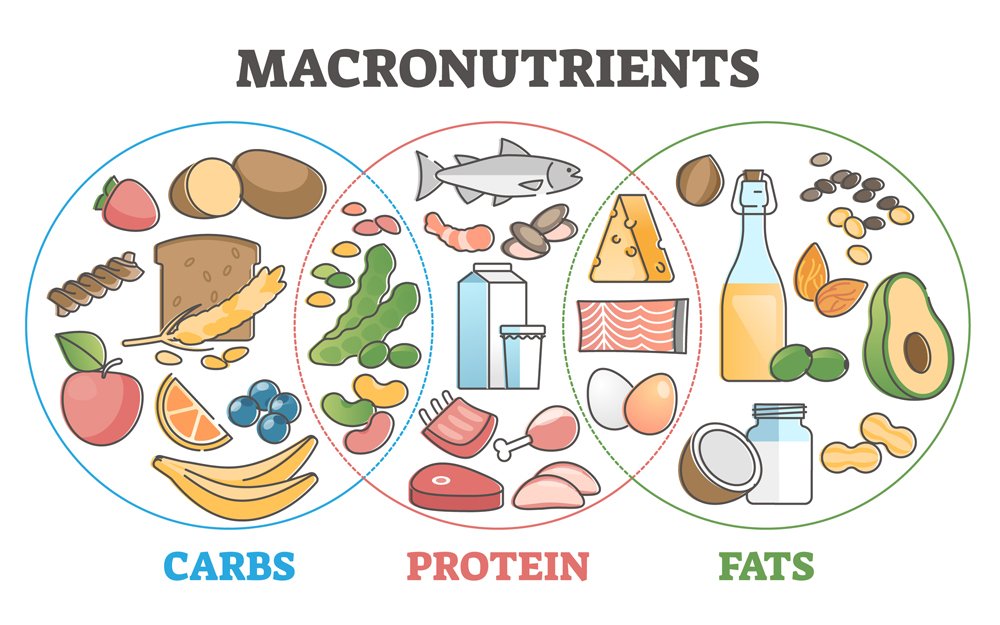
Macronutrients are the big three that fuel your body: carbohydrates, protein and fats. Think of them like the gas in your car—without them, your body wouldn’t run very well.
- Carbohydrates are your body’s primary energy source. They break down into glucose, which your muscles burn during exercise. Good carbs are NOT your enemy! Good carbs, also known as complex carbs, include foods like quinoa and black beans. Bad carbs are known as simple carbs – think white bread and doughnuts.
- Protein is essential for muscle repair recovery and growth. Not to mention your body needs it for tissues, hair, bone and skin health.
- Fats are often misunderstood, but they’re crucial for energy and cell function. They also help you absorb vitamins and minerals (micronutrients!). When we’re talking health fats, think high-quality olive oil or salmon. Unhealthy fats include things like soybean oil and hot dogs.
The key here is balance. Too much of any of these, and you’re likely to feel sluggish or experience unwanted weight gain. Too little and, well, you’ll likely be the person who gets winded walking up the stairs, always feeling like you’re barely functioning.
What Are Micronutrients?
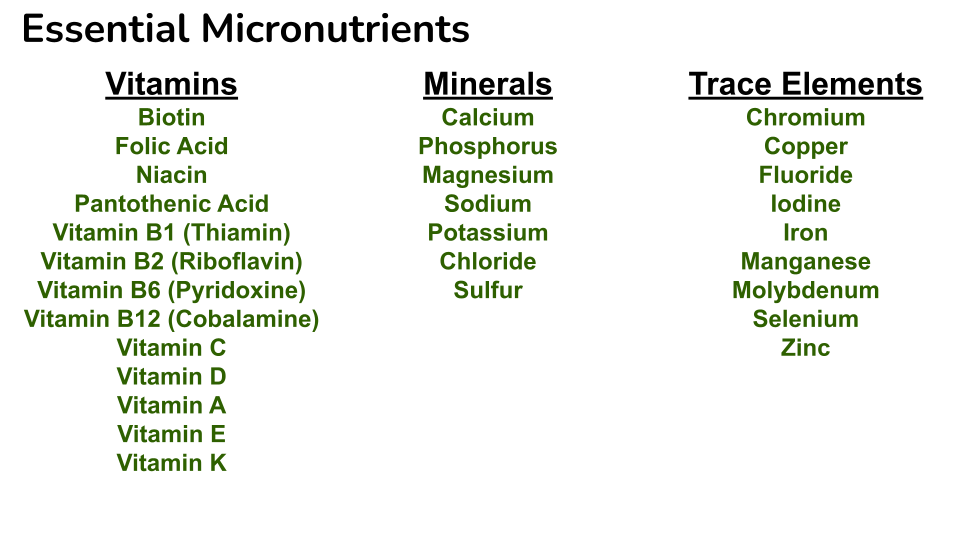
While macronutrients are all about energy, micronutrients are the tiny but mighty superheroes that keep everything running smoothly behind the scenes – kind of like a support structure. These are the vitamins and minerals— things like calcium, vitamin D and magnesium just to name a few—that your body needs in smaller amounts but are still crucial to your health.
- Vitamins play a crucial role in various bodily functions, from immune system support (hello, vitamin C) to energy production (thanks, B vitamins).
- Minerals like magnesium support muscle function (reducing cramps), and calcium promotes bone health.
While you won’t get a ton of immediate energy from micronutrients, neglecting them can lead to things like fatigue, weakened immune function or even muscle cramps. It’s like trying to run a car without oil—it’ll run rough for a while but break down eventually.
How Do Macronutrients and Micronutrients Affect Your Body?
Macronutrients are your “fuel” for workouts, recovery and just living day-to-day with good energy and a strong body. If you’re eating the right balance, you’ll have the energy you need to crush your workouts, recover faster and feel good overall for your daily activities.
Micronutrients, on the other hand, are your body’s maintenance crew. They keep things running smoothly, support your immune system and make sure your muscles aren’t locking up mid-squat.
For example, have you ever felt totally drained after a workout? It’s possible that your macros weren’t balanced. On the flip side, if you’ve ever had those annoying muscle cramps, it could be a lack of magnesium (a common micronutrient culprit).
I’m not saying that macros and micros turn you into the Hulk who also has the energy of a 4-year-old child overnight. I am simply saying that when our bodies are getting what they need consistently and over time, we will function better mentally, physically and even emotionally.
How Do We Measure Them Effectively?
Tracking your macros is relatively straightforward these days, thanks to apps like MyFitnessPal or Macros. You log your meals, and the app tells you how much protein, carbs and fat you’re eating. You can also look at food labels for a quick breakdown.
Micronutrients are trickier because they aren’t always listed on food labels. A blood test is the most accurate way to measure deficiencies, but tracking your diet is a good starting point. Keep a food journal or use an app (like Cronometer) that tracks vitamins and minerals too.
Emily Field has a great post about tracking your macros

 Find my favorite grocery items & essential kitchen basics by visiting my Amazon store
Conclusion:
Balancing both macros and micros is key to a healthy, effective fitness routine and overall healthier lifestyle. While macros fuel your daily energy levels and keep your workouts going, micronutrients support everything from muscle function to energy production. So, go ahead and eat that sweet potato, get your greens and don’t be afraid to treat yourself to some healthy fats!
Macro/Micro Nutrient Support:
The Everything Guide to Macronutrients
RECIPES TO FIT YOUR MACROS:
20-Minute Spicy Italian Sausage Links with Warm Bell Pepper Salad